


Swimming?
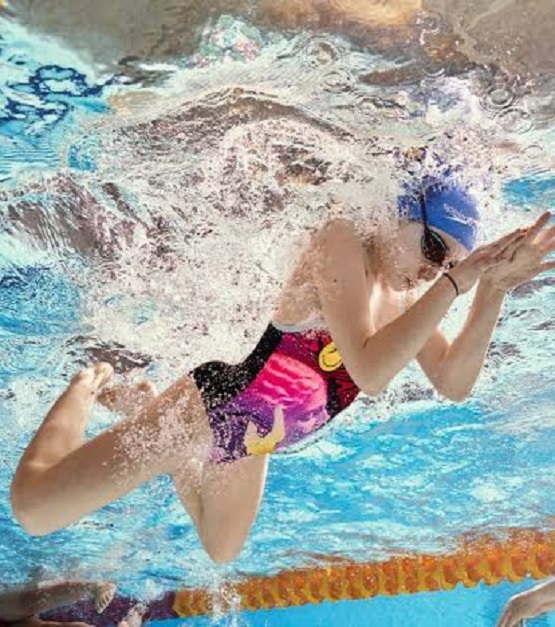
Analyzing competing products or services can give you an idea of what already exists in your industry. Swimming is an individual or team racing sport that requires the use of one’s entire body to move through water. The sport takes place in pools or open water (e.g., in a sea or lake). Competitive swimming is one of the most popular Olympic sports,[1] with varied distance events in butterfly, backstroke, breaststroke, freestyle, and individual medley. In addition to these individual events, four swimmers can take part in either a freestyle or medley relay. A medley relay consists of four swimmers who will each swim a different stroke, ordered as backstroke, breaststroke, butterfly and freestyle.[2]
Swimming each stroke requires a set of specific techniques; in competition, there are distinct regulations concerning the acceptable form for each individual stroke.[3] There are also regulations on what types of swimsuits, caps, jewelry and injury tape that are allowed at competitions.[4] There are many health benefits to swimming, but it is possible for competitive swimmers to incur injuries such as tendinitis in the shoulders or knees.
History
Main article: History of swimming
Leander swimming across the Hellespont. Detail from a painting by Bernard Picart.
Evidence of recreational swimming in prehistoric times has been found, with the earliest evidence dating to Stone Age paintings from around 10,000 years ago. Written references date from 2000 BC, with some of the earliest references to swimming including the Iliad, the Odyssey, the Bible, Beowulf, the Quran and others. In 1538, Nikolaus Wynmann, a Swiss–German professor of languages, wrote the earliest known complete book about swimming, Colymbetes, sive de arte natandi dialogus et festivus et iucundus lectu (The Swimmer, or A Dialogue on the Art of Swimming and Joyful and Pleasant to Read).[5]
Swimming emerged as a competitive recreational activity in the 1830s in England. In 1828, the first indoor swimming pool, St George’s Baths was opened to the public.[6] By 1837, the National Swimming Society was holding regular swimming competitions in six artificial swimming pools, built around London. The recreational activity grew in popularity and by 1880, when the first national governing body, the Amateur Swimming Association was formed, there were already over 300 regional clubs in operation across the country.[7]his can help you find ways to improve your idea. It can also help you target weaknesses in your product or service before you spend time and money creating it. Be sure to note your competitor’s prices during this process, which will give you a range of how much customers are currently spending on similar products.